History
History of Christopher Park
From Colonial Farmland to a Greenwich Village Park
The land that is now Christopher Park was developed from 1633 to 1638 as a tobacco farm by Wouter Van Twiller, Director-General of New Netherland. Following Van Twiller’s death, his land was divided into three farms. The Trinity Church and Elbert Herring farms lay to the south, with Sir Peter Warren’s farm to the north. Skinner Road was laid out along the line separating the Warren farm from the other two. This road was later renamed Christopher Street, honoring Charles Christopher Amos, an heir of a trustee to the Warren estate.

Between 1789 and 1829, Christopher Street was subdivided into lots and blocks were laid out along its length. Because Greenwich Village developed outside Manhattan’s later street grid, the neighborhood retained its distinctive pattern of irregular streets and oddly shaped blocks.
As the population of Greenwich Village grew during the early 19th century, the area around Christopher Street became increasingly crowded. After a devastating fire in 1835, residents petitioned the City to create a much-needed open space on the triangular block bounded by Christopher, Grove and West 4th Streets. On April 5, 1837, the City condemned the parcel and created Christopher Park.

A Changing Greenwich Village
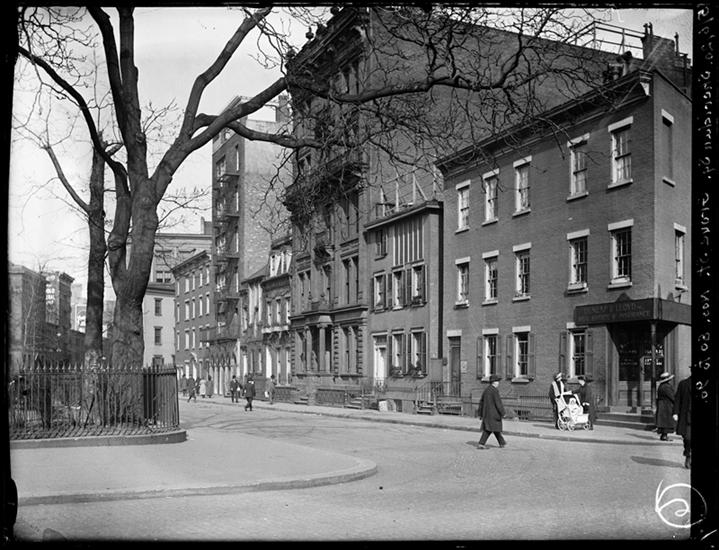
The construction of the IRT subway and extension of Seventh Avenue South in the early 20th century dramatically changed the surrounding neighborhood. The project demolished buildings and altered the street pattern. The new Christopher Street subway station brought still more people through this part of Greenwich Village.
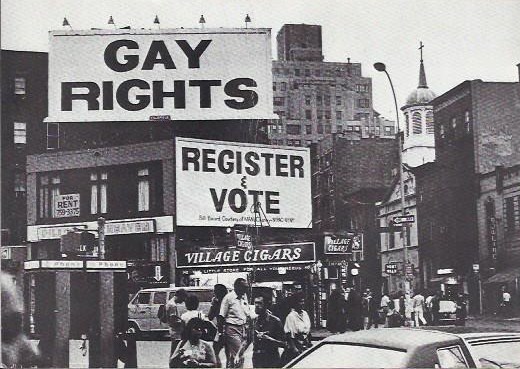
By the 1960s, Christopher Street and the surrounding neighborhood had become an important gathering place for New York City’s LGBTQ+ community. Christopher Park itself provided a public meeting place and refuge, particularly for LGBTQ+ young people who had been rejected by their families or were living on the streets.

Christopher Park and the Stonewall Uprising
In the early hours of June 28, 1969, New York City police raided the Stonewall Inn across the street from Christopher Park. Rather than disperse, patrons and people gathered in the neighborhood resisted the police action. Protests and confrontations continued in Christopher Street, Christopher Park and the surrounding streets over the following nights.
The Stonewall Uprising became a watershed in the movement for LGBTQ+ civil rights. Christopher Park, the Stonewall Inn and the surrounding streets became enduring symbols of that history and places where the LGBTQ+ community continued to gather, demonstrate, celebrate and remember.
In 1999, the Stonewall site—including the Stonewall Inn, Christopher Park and surrounding streets—was listed on the National Register of Historic Places. It was designated a National Historic Landmark the following year.
Stonewall National Monument
On June 24, 2016, President Barack Obama established Stonewall National Monument, the first national park site dedicated to LGBTQ+ history. The monument encompasses 7.7 acres and includes Christopher Park, the Stonewall Inn and portions of the surrounding streets and sidewalks. It preserves the landscape where the events of the Stonewall Uprising unfolded.
The City of New York transferred Christopher Park to the federal government. Today, the National Park Service administers the park.
From Christopher Park, visitors can experience the historic landscape of Stonewall National Monument—the Stonewall Inn and the surrounding streets where events in 1969 helped transform the movement for LGBTQ+ civil rights.
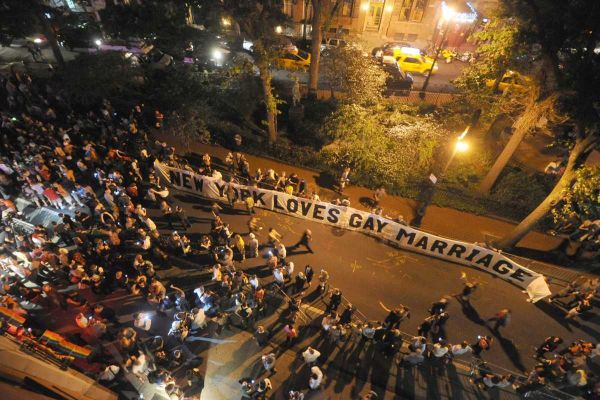
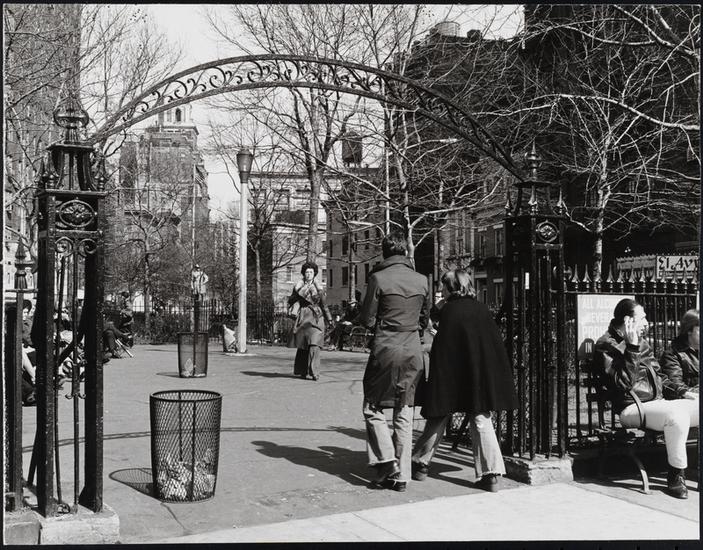
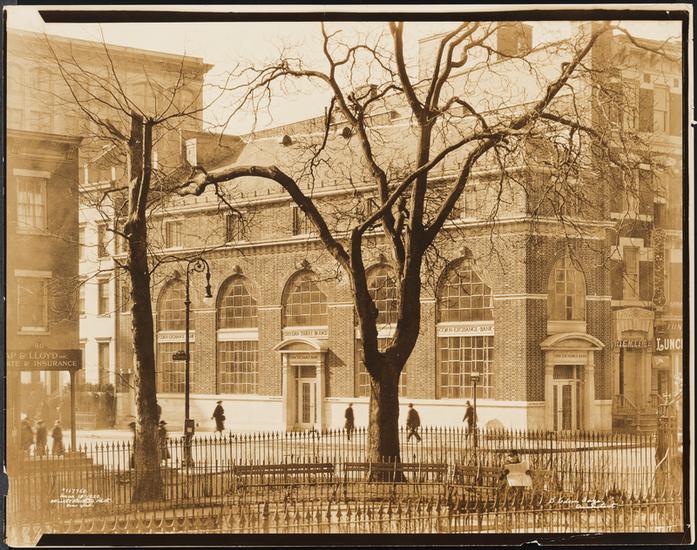
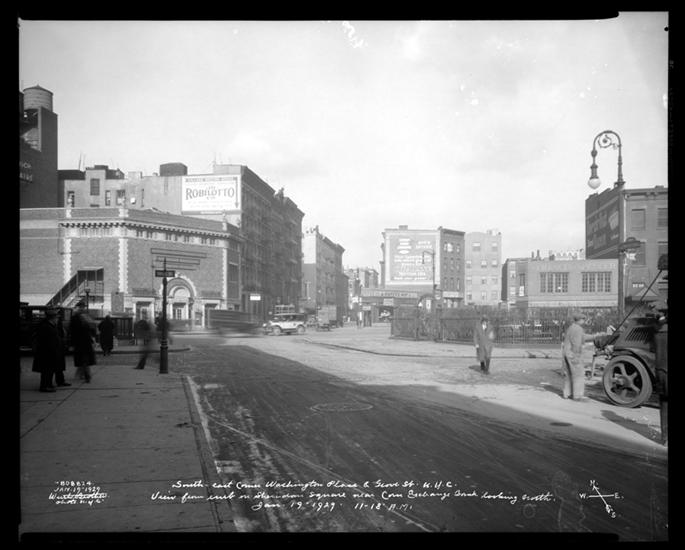
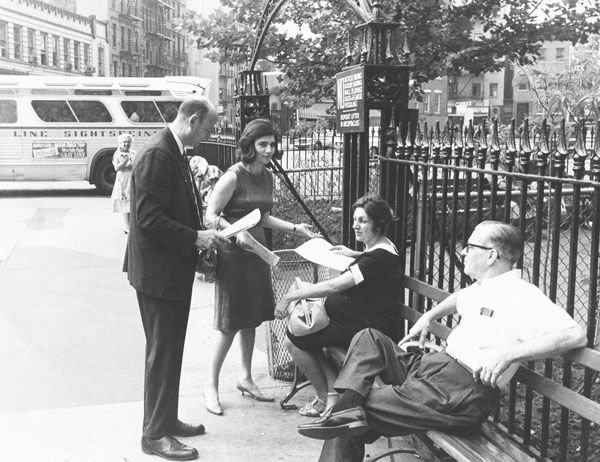
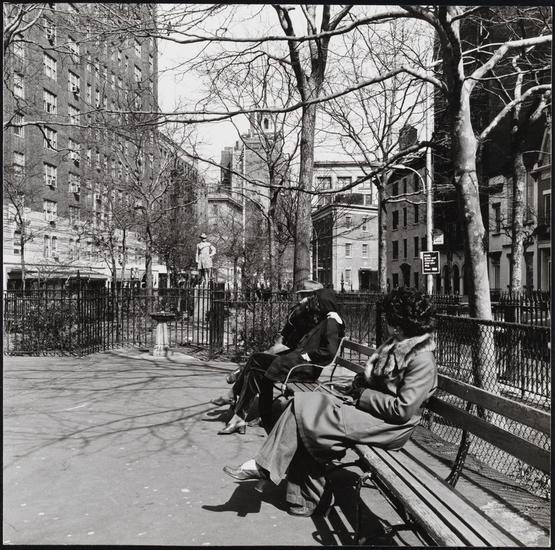
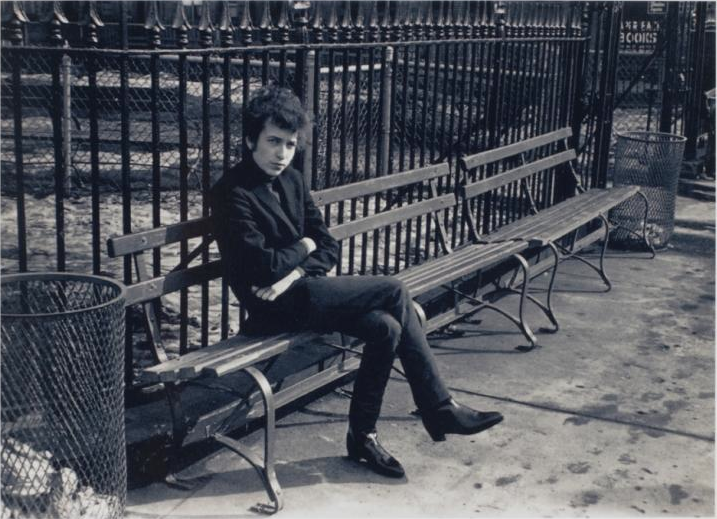
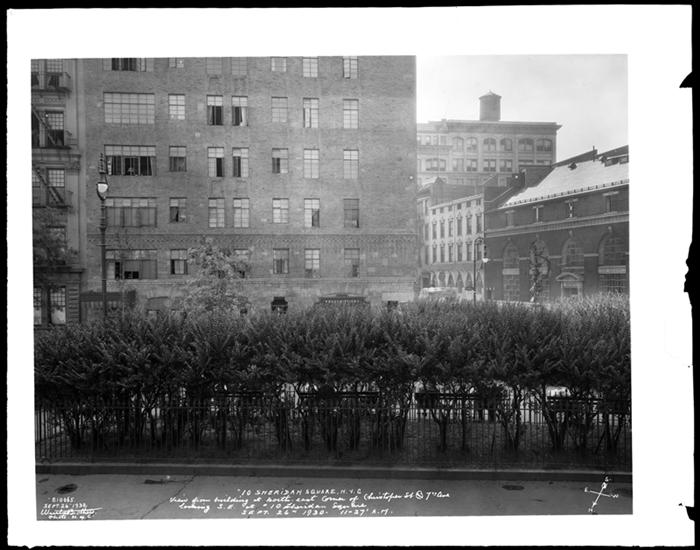
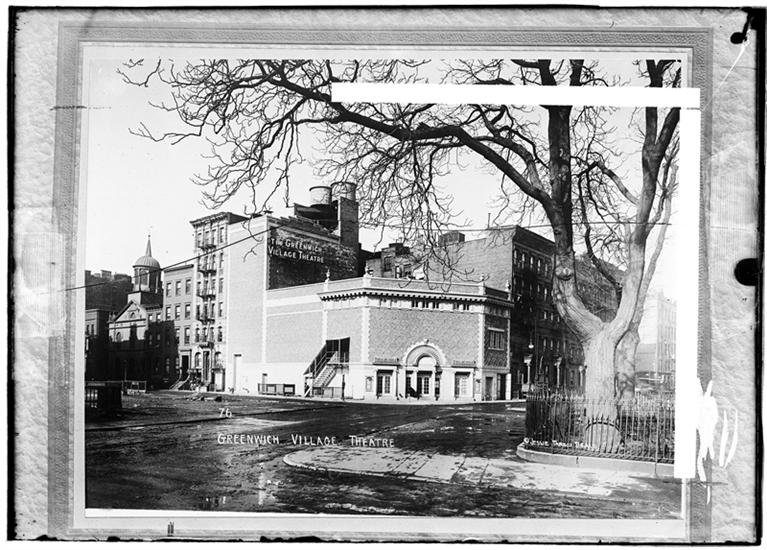
Historical Photos
Explore Christopher Park and the surrounding streets through the years.
Learn More
Explore the history of Christopher Park, the Stonewall Uprising, and Stonewall National Monument through these additional resources.